Quick answer: A money piece hair is a pair of bright, noticeably lighter sections framing the face at the front of your hairline, usually on either side of your part. It’s the highest-impact, lowest-commitment way to brighten your whole look, because the color sits right next to your skin and eyes. It’s done with foils, balayage, or foilyage, a partial service typically takes about two to two and a half hours, and the tone needs a refresh every four to eight weeks to stay clean and bright.
Look at a photo of yourself and notice where your eye lands first. It’s the face. That’s the entire logic behind the money piece: put the brightest color where it does the most work, and leave the rest of your hair as natural, dark, or low-maintenance as you like. It’s one of the most requested color ideas right now and also one of the most misunderstood, because the name gets used for everything from a barely-there glow to a high-contrast stripe. Here’s what it actually is, how it’s done, and how to decide whether it’s for you.
What Is a Money Piece?
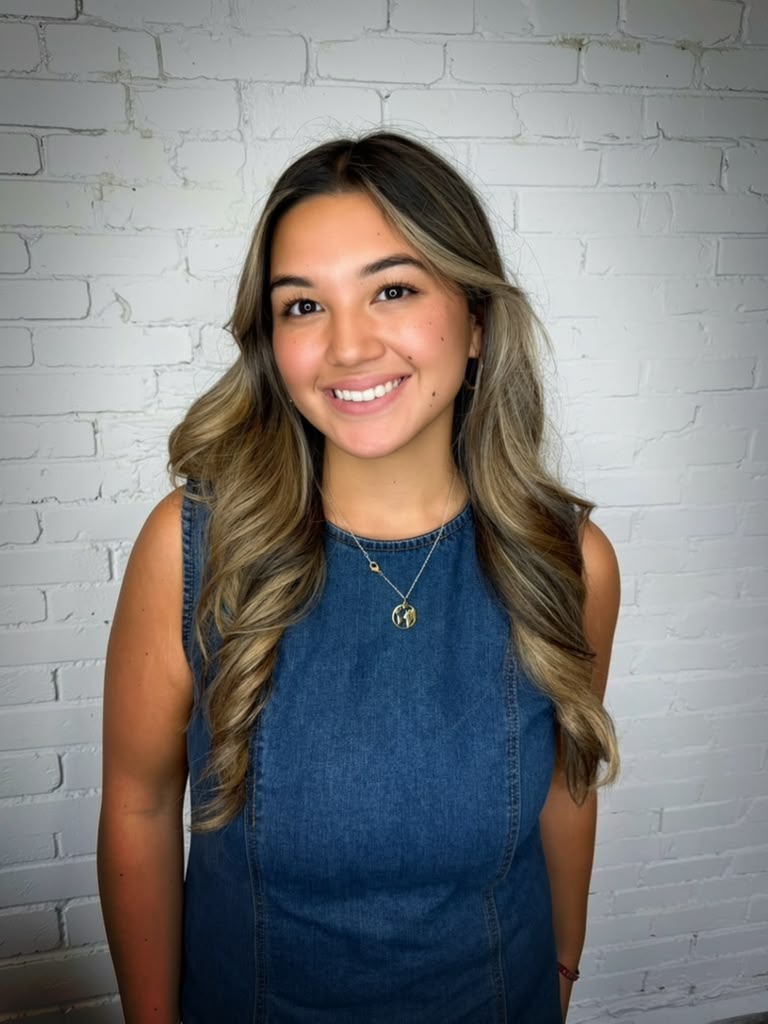
A money piece is a section of lightened hair at the very front of the hairline, framing each side of the face. It’s typically a few chunky, defined pieces rather than a scatter of fine highlights, and it’s lighter than the hair around it on purpose. The contrast is the point: it draws attention to your face, brightens your skin tone, and makes the whole head of hair look more lit, even when most of it hasn’t been lightened at all.
How Is a Money Piece Different From Regular Face-Framing Highlights?
They overlap, and the terms get blurred, but the difference comes down to contrast and definition. Standard face-framing highlights are usually blended: fine pieces that melt into the surrounding hair for a soft glow. A money piece is bolder and more intentional, with larger, more visible sections that read as a deliberate frame. Think of face-framing highlights as brightening the area, and a money piece as outlining it.
Neither is better. The right one depends on how much of a statement you want, which is why the next section matters.
How Bold Should Your Money Piece Be?
It’s a spectrum, and where you land shapes everything from the technique to the upkeep:
- Subtle: One or two shades lighter than your base, blended softly at the edges. It reads as natural brightness and grows out gracefully.
- Medium: A clearly lighter frame with visible but soft edges. This is the most popular middle ground.
- Bold: A high-contrast, bright frame against a noticeably deeper base. It makes a statement and needs the most upkeep.
The bigger the contrast, the more lift your hair needs and the faster regrowth shows, so be realistic about how much maintenance you want before choosing.
Who Does a Money Piece Suit?
Almost everyone, which is a big part of its appeal. On a brunette, a bright frame creates a striking contrast and a quick way to try blonde without committing to a full transformation. On a blonde, it adds dimension and brightness to hair that can otherwise look flat. It also works across lengths and cuts.
The variables that matter are your starting color, your hair’s condition, and your skin tone. Dark hair needs more lift to reach a bright frame, which can mean more than one session, and hair that’s already stressed needs a gentler plan. If you’re unsure whether your hair is ready to go lighter, here’s how to check before you book.
How Is a Money Piece Done?
There are three common routes, and the choice comes down to how bright you want it and how it should grow out:
- Foils give the brightest, cleanest, most defined result, with lightness that starts right at the root. Face-framing sections are a standard part of a partial foil highlight, which concentrates color on the hairline, crown, and face frame.
- Balayage is hand-painted for a softer, more blended money piece with a more graceful grow-out, which suits a subtle to medium look. Face-framing is also a focus of a partial balayage.
- Foilyage combines the two, painting the lightener and wrapping it in foil for extra lift. It’s a strong option when you have dark or resistant hair and want a bright frame without harsh lines.
How Long Does a Money Piece Take?
Because it’s concentrated at the front of the hair rather than throughout the head, it’s one of the shorter lightening services. At Blonde and Bronde, a partial foil or partial balayage typically takes about two to two and a half hours, including toning. That’s a meaningful difference from an all-over service, and it’s why a money piece is a popular first step for anyone curious about going lighter. A very dark base or a bolder, brighter goal can take longer or be split across two visits.
How Do You Choose the Right Tone?
Because a money piece sits against your face, tone matters more here than almost anywhere else in your hair. A shade that’s slightly off can wash you out, and one that’s right can brighten your whole complexion. As a general guide, warmer, golden or honey tones tend to flatter warmer skin tones, while cooler, ash or beige tones tend to flatter cooler ones. Neutral shades sit comfortably in between. A stylist who can see your skin and eyes in natural light will place the tone better than any chart, so bring photos and be open to adjustments.
How Often Does a Money Piece Need Refreshing?
Two things age a money piece: regrowth and fading tone. How fast regrowth shows depends on the technique. A foil-based money piece starts at the root and typically needs refreshing every 8 to 12 weeks, while a balayage version grows out more softly and can often stretch to 10 to 14 weeks. The tone itself fades faster, so most clients book a gloss or toner refresh somewhere between four and eight weeks to keep it from drifting yellow. Since these pieces frame your face, any brassiness shows up more than it would elsewhere.
How Do You Keep a Money Piece Looking Fresh and Healthy?
- Use a color-safe, sulfate-free shampoo, and use purple shampoo sparingly, once or twice a week, so the frame doesn’t turn dull or faintly lilac.
- Go easy on heat. Hairline hair tends to be finer, so it’s the first place damage shows.
- Deep condition weekly, and ask about a bond-building treatment if your hair has been lightened before.
- Protect the front sections in winter. Hats, scarves, and dry indoor heat are rough on fragile face-framing pieces, so a leave-in conditioner or light oil helps.
- Trim regularly so the ends of the brightest pieces don’t split.
Does Your Haircut Affect a Money Piece?
Quite a bit. The part determines where the frame falls, and layers and curtain bangs change how the brightest pieces move and catch light. That’s why it helps to have your stylist see your cut and your usual part before placing the color. If you’re also thinking about a new shape, face-framing layers and a money piece work especially well together, and this guide to cuts that suit your face shape is a good place to start.
What If You Get Tired of It?
It’s one of the easier colors to walk back. A bright frame can be softened with a gloss, blended with lowlights, or simply left to grow out, especially if it was done with balayage. If you chose a bold foil version and want a gentler transition, ask for a soft root blend so regrowth doesn’t create a hard line. Because only the front of the hair is lightened, you’re never far from a full reset.
What Should You Bring to Your Appointment?
- Two or three photos of money pieces you love, in natural light, and one you don’t
- A clear sense of how bold you want it: subtle, medium, or high-contrast
- Your color history, including any box dye or at-home bleach
- Honesty about how often you’re willing to come in for upkeep
Bringing all of that to a personalized hair consultation lets your stylist choose the technique, tone, and placement for your hair rather than copying a photo.
Frequently Asked Questions
What is a money piece in hair?
A money piece is a pair of bright, lighter sections framing the face at the front of the hairline, usually on either side of the part, designed to brighten the face and add contrast.
How long does a money piece last?
The lightened hair is permanent, but the tone fades. Most clients refresh toner every four to eight weeks, and re-lift the color about every 8 to 12 weeks for foils or 10 to 14 weeks for balayage.
Can brunettes get a money piece?
Yes. A bright frame against a darker base is one of the most popular ways to try blonde. Darker hair needs more lift, so it can take more than one session to reach a very bright result.
Is a money piece damaging to hair?
It lightens only sections at the front, so less of your head is processed than with all-over highlights. But hairline hair is often finer and more fragile, so your hair’s condition matters and a stylist should assess it first.
Final Thoughts
The money piece works because it’s strategic. Instead of lightening everything, it puts the brightest color exactly where people look first, and the rest of your hair stays as simple as you want it. Pick the contrast level you’ll actually maintain, choose a tone that suits your skin, and plan the upkeep before you book, and it’s one of the most flattering things you can do with color.
Curious how it would look on you? Book a consultation and bring your photos.
Helpful Resources
- American Academy of Dermatology — Healthy Hair Tips
- American Academy of Dermatology — Coloring and Perming Tips