Quick answer: Postpartum shedding is a normal, temporary hormonal shift, not permanent hair loss, and it usually peaks around 3 to 5 months after delivery before improving by month 12. While your body handles the hormonal side, a stylist can help with soft layering to disguise thinning, low-manipulation styling to protect fragile regrowth, and a lower-maintenance color plan for a season when salon time is harder to come by.
Somewhere between month two and month four postpartum, a lot of new moms have the same moment: more hair than usual in the shower drain, on the pillow, wrapped around the brush. It’s alarming the first time it happens, even though it’s one of the most common postpartum experiences there is. Here’s what’s actually going on, and how to work with your hair — not against it — while your body resets.
What Is Postpartum Hair Shedding, Actually?
During pregnancy, higher estrogen levels keep more hair than usual in its active growth phase, which is why pregnancy hair often looks thicker and fuller. After delivery, estrogen drops back to normal levels, and all that extra hair that was “held onto” during pregnancy shifts into its shedding phase at once. Dermatologists call this excessive shedding rather than true hair loss, because the hair grows back — it’s a temporary cycle shift, not permanent thinning.
When Does It Start and When Does It Stop?
Most new moms notice increased shedding starting around 2 to 4 months postpartum, with shedding typically peaking between months 3 and 5. For most women, hair gradually returns to its normal fullness by around 12 months postpartum, though the exact timeline varies from person to person and can run longer for those who are breastfeeding.
Is There Anything You Can Do to Stop It?
Not really, and that’s actually normal — this is a hormonal process working through its natural cycle rather than something caused by a product, a hairstyle, or anything you did wrong. What you can influence is how manageable and less noticeable it feels while it runs its course, which is where styling choices make a real difference.
How Can a Haircut Help During This Phase?
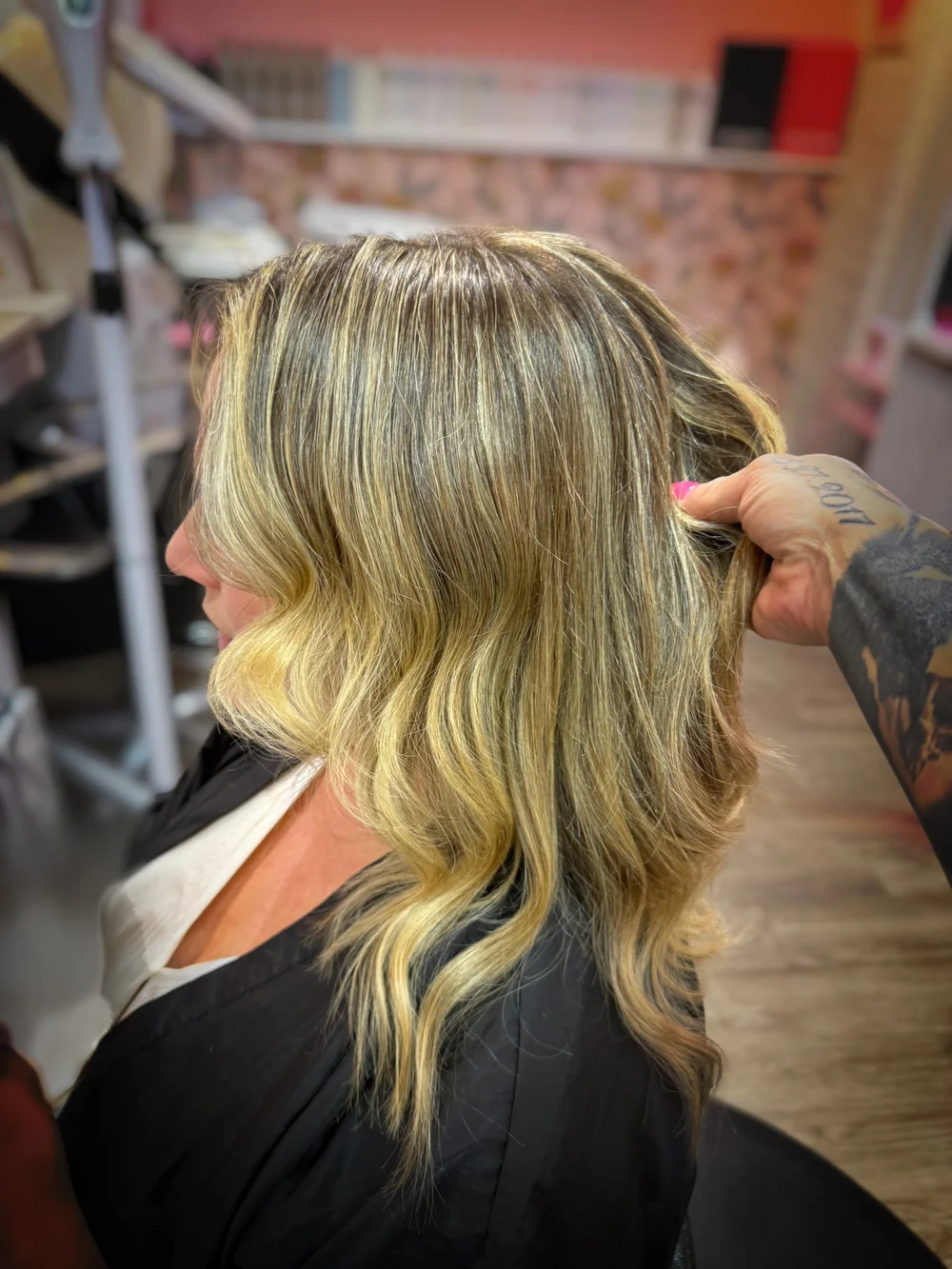
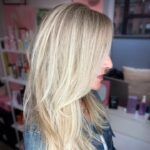
Soft, face-framing layers are one of the most useful tools for disguising shedding, since they add movement and visual volume without relying on length or density that simply isn’t there right now. A blunt, one-length cut tends to show thinning more obviously, while layers break up the silhouette and make regrowth around the hairline look intentional rather than patchy. If you’re due for a cut anyway, this is worth mentioning to your stylist directly so the shape works with what your hair is doing right now, not against it — this guide to finding the right cut for your face and texture covers how layering strategy changes based on what you’re working with.
Should You Change How You Style Your Hair Right Now?
- Go easier on tension. Tight ponytails, buns, and clips can add extra stress to hair that’s already shedding more than usual, especially along the hairline.
- Turn down the heat. Lower heat settings on styling tools reduce additional strain on hair and scalp during a naturally fragile stretch.
- Use a wide-tooth comb on wet hair. Wet hair is more fragile, and gentler detangling reduces unnecessary breakage on top of normal shedding.
- Consider a volumizing product rather than a heavier one, since lightweight formulas won’t weigh down hair that already feels thinner than usual.
Is It a Good Time to Change Your Color Too?
It can be, but for a different reason than usual — many new moms use this season to shift toward a lower-maintenance color that needs less frequent salon visits, simply because free time and energy are in shorter supply. This isn’t about hiding shedding through color, it’s about matching your maintenance schedule to your actual life right now. A personalized hair consultation is a good place to talk through what a lower-maintenance color plan could look like for this specific season, without committing to anything permanent.
When Should You Talk to a Doctor Instead of a Stylist?
If shedding continues well past 12 months, seems to be getting worse instead of better, or comes with other symptoms like fatigue or scalp changes, that’s worth bringing up with a doctor rather than assuming it will resolve on its own — other causes like thyroid changes or nutrient levels can sometimes play a role and are worth ruling out. A stylist can help you style through normal postpartum shedding, but ongoing or unusual hair loss is a conversation for a medical provider.
Frequently Asked Questions
Is postpartum hair loss permanent?
No. It’s a temporary shift in your hair’s normal growth cycle, and hair typically returns to its usual fullness within about 12 months.
Why does my hair look worse in pictures right now?
Shedding often happens more evenly across the whole head rather than in noticeable patches, but combined with new, shorter regrowth along the hairline, it can make hair look flatter or less full than usual, especially in photos with strong lighting.
Will cutting my hair shorter make the shedding worse?
No — cutting hair doesn’t affect the hormonal shedding process. A shorter cut with strategic layering can actually make thinning less noticeable day to day.
Should I avoid color treatments while shedding is happening?
Not necessarily, but many new moms use this time to simplify their color routine for practical reasons rather than avoiding color altogether. Your stylist can help you find a lower-maintenance approach if that’s the goal.
Final Thoughts
Postpartum shedding is one of those things almost nobody warns you about until it’s happening to you. It’s normal, it’s temporary, and while there’s no styling trick that speeds up the hormonal timeline, the right cut and a gentler routine can make this season a lot easier to live with.
If you’re navigating this and want a haircut or color plan that works with where your hair is right now, book a consultation and talk it through with a stylist.