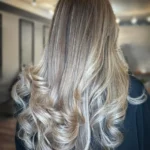
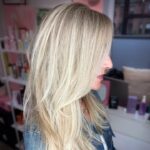
Quick answer: Shadow root hair is a color technique where a slightly deeper shade is blended into the roots to soften the line between your natural color and your highlights. A root smudge is a lighter, shorter blend that blurs the regrowth line, and a root melt carries the root color further down through the mid-lengths for the most seamless fade. All three stretch the time between appointments. The right one depends on how much contrast you want and how low-maintenance you need your color to be.
If you’ve ever finished a highlight appointment and heard “would you like a shadow root?” you’re not alone in nodding without being sure what you agreed to. The terms shadow root, root smudge, and root melt get used interchangeably, sometimes by stylists themselves, even though they describe slightly different results. The good news is that they all solve the same problem: the harsh line that appears when your natural color grows in beneath lightened hair. Here’s what each one actually does, and how to pick.
What Is a Shadow Root?
A shadow root uses a slightly deeper shade at the roots, blended downward so your color fades from darker at the scalp to lighter through the lengths. It mimics the natural gradient of untreated hair, where roots are naturally deeper than the ends, so the transition looks intentional instead of like regrowth. Because the deeper tone is deliberate, it also adds contrast that makes the brighter highlights stand out.
A shadow root is usually applied at the roots and blended down an inch or more, and it’s typically done with a gloss or a demi-permanent formula rather than lightener. Think of it as color that finishes your highlights rather than a lightening service of its own.
Why Do Colorists Add a Root Shadow?
- It softens the regrowth line. Instead of a stark band where your natural color begins, the grow-out looks like a gradient.
- It stretches the time between appointments. Because regrowth blends in, you can wait longer before it looks overdue.
- It adds depth and dimension. A deeper root makes blonde look richer and more natural, rather than flat and uniformly bright.
- It makes the first weeks of grow-out look better. A shadow root is designed to look good on day one and even more natural at week eight.
What Is a Root Smudge?
A root smudge is a softer, lighter blend. A stylist applies a toner or gloss close to your natural shade, or slightly lighter, and smudges it down about an inch until it meets your highlights. The goal is to blur the line rather than add dramatic depth. It’s a quick service, it keeps your highlights as bright as possible, and it suits anyone who wants a gentle, natural-looking transition. Because it’s subtle and stays close to the root, it typically lasts around two months before it needs refreshing.
What Is a Root Melt?
A root melt takes the same idea further. Instead of softening the line right at the root, it blends your root color down through the mid-lengths, sometimes toward the ends, so the lightened hair and your natural color flow into each other with no visible line at all. The result is a fluid, painterly gradient. It’s a favorite for anyone going much lighter, since the extended blend makes the grow-out especially seamless.
How Do Shadow Root, Root Smudge, and Root Melt Compare?
| Technique | What it does | How far down | Contrast | Best for |
|---|---|---|---|---|
| Root smudge | Blurs the regrowth line with a tone close to your natural shade | About an inch | Low | Keeping highlights bright with a soft, quick blend |
| Shadow root | Adds a deeper shade at the root for intentional depth | An inch or more | Medium | Depth, dimension, and a low-maintenance grow-out |
| Root melt | Blends root color down through the mid-lengths | Mid-lengths, sometimes further | Gradual | Going much lighter with a seamless, lived-in fade |
One caveat: these terms aren’t standardized. Some stylists use shadow root and root smudge as synonyms, and others draw the line differently. What matters is how much contrast you want and how far down the blend should go, so describe the look you’re after and bring photos rather than relying on the label alone.
Which One Is Right for You?
- You want your highlights to stay as bright as possible: a root smudge keeps the blend close to the root and doesn’t dull your lightest pieces.
- You want depth and the lowest-maintenance grow-out: a shadow root gives a richer, more deliberate gradient.
- You’re going much lighter than your natural color: a root melt blends the contrast over a longer stretch, which keeps the transition natural.
- You’re platinum or very light blonde: a shadow root softens the contrast between roots and ends, which makes the grow-out far less stark.
- You have gray at the root: tell your stylist, because coverage needs a different formula than a purely decorative blend.
How Does It Work With Balayage, Foilyage, and Foil Highlights?
It depends on how the highlights were placed. Foil highlights start right at the root, which gives the brightest result and also the most obvious regrowth line, so a root blend does the most for them. Balayage is hand-painted with a soft transition, so it already grows out gently, and a blend simply makes it softer still.
Foilyage sits in between, and at Blonde and Bronde every partial foilyage includes a custom shadow root along with a gloss, which is a big part of why it’s built for a low-maintenance grow-out. For other services, ask your stylist whether a root blend fits into your appointment.
How Is a Shadow Root Done?
- Consultation. Your stylist looks at your natural color, your highlights, and how much contrast you want.
- Highlights are lifted and rinsed. The shadow root is applied after the lightening step, not before it.
- The root color is applied. A gloss or demi-permanent formula is placed at the root and blended downward to your preferred depth.
- The lengths are toned. A gloss refines the tone of the highlighted hair so everything looks cohesive.
- Finish. The color is styled so you can see how the gradient reads.
The toning step is what ties it together, and if you’re unsure how toner and gloss differ, toner or gloss: what each does for blonde hair explains it.
How Long Does a Shadow Root Last?
A root smudge typically lasts around two months. Shadow roots and root melts tend to last a little longer, because the root color is blended further down the hair, so any regrowth is camouflaged for longer. The color itself still fades like any gloss, and most people refresh the tone every four to eight weeks to keep it looking intentional. How often you return for new highlights depends on your technique, but a root blend usually lets you stretch toward the longer end of that window.
Does a Shadow Root Damage Your Hair?
A shadow root is usually a gloss or color deposit, not lightener, so it adds very little stress on its own. It’s less demanding than an all-over color service because it’s concentrated at the roots, and it extends the time between lightening visits, which is a benefit for your hair. The highlighted lengths still need regular conditioning and care, since that’s where the lightening happened.
Can You Add a Shadow Root to Highlights You Already Have?
Often, yes. A stylist can add a root blend at a gloss or touch-up visit, depending on your current color and how much contrast you want. It’s also a useful fix if your grown-out roots look stark and you’d like to soften them without a full lightening service. Ask at your next appointment, and bring a photo of the transition you’re aiming for.
How Should You Talk to Your Stylist About It?
- Describe the result, not just the term: “soft, blurry line” or “noticeably deeper roots.”
- Bring two or three photos, in natural light, of grow-outs you like.
- Be honest about how visible you’re comfortable letting regrowth get.
- Mention your usual part, since that’s where regrowth shows first.
A personalized hair consultation is the best place to match the blend to your hair and lifestyle.
Frequently Asked Questions
What is a shadow root in hair?
A shadow root is a deeper shade blended into the roots to soften the line between your natural color and your highlights, creating a more natural, low-maintenance grow-out.
What’s the difference between a shadow root and a root smudge?
A root smudge is a lighter, shorter blend close to your natural shade that blurs the regrowth line. A shadow root uses a deeper tone and extends further down for more intentional depth and contrast.
Is a root melt the same as a shadow root?
Not exactly. A root melt blends the root color further down through the mid-lengths for a fully seamless fade, while a shadow root focuses on adding depth at the root. The terms are sometimes used interchangeably.
Does a shadow root make hair look darker?
Only at the root, where the deeper tone adds depth. The rest of your highlighted hair stays as light as it was, and the overall effect is a richer, more dimensional blonde.
How long does a shadow root last?
A root smudge generally lasts around two months, and shadow roots and root melts often last a bit longer because the color is blended further down. A gloss refresh every four to eight weeks keeps the tone looking intentional.
Final Thoughts
A shadow root, a root smudge, and a root melt are three versions of the same promise: color that grows out gracefully instead of announcing that it’s due. Choose how much contrast and how much blend you want, describe it clearly to your stylist, and your highlights will look better at week ten than most do at week six.
Ready for a grow-out that looks intentional? Book your appointment and bring a photo of the transition you love.
Helpful Resources
- L’Oréal Paris — Everything You Need to Know About the Root Smudge Technique
- StyleSeat — The Difference Between Root Smudge, Shadow Root, and Other Blending Techniques
- Behind the Chair — Shadow Root vs. Root Melt